Biohazard Cleanup
Biohazard cleaning for homes, rentals, businesses and vehicles, with discreet crews and 24/7 emergency response.
Learn more →Arizona · Pima County
Cleaning up after a loss should not fall on the family in Littletown. Get biohazard cleaners for crime scene, death and trauma cleanup, plus sewage, hoarding and infectious disease work. Call (877) 812-4220 any hour.
If anyone is in danger, call 911 first. For a suicide crisis, call or text 988.
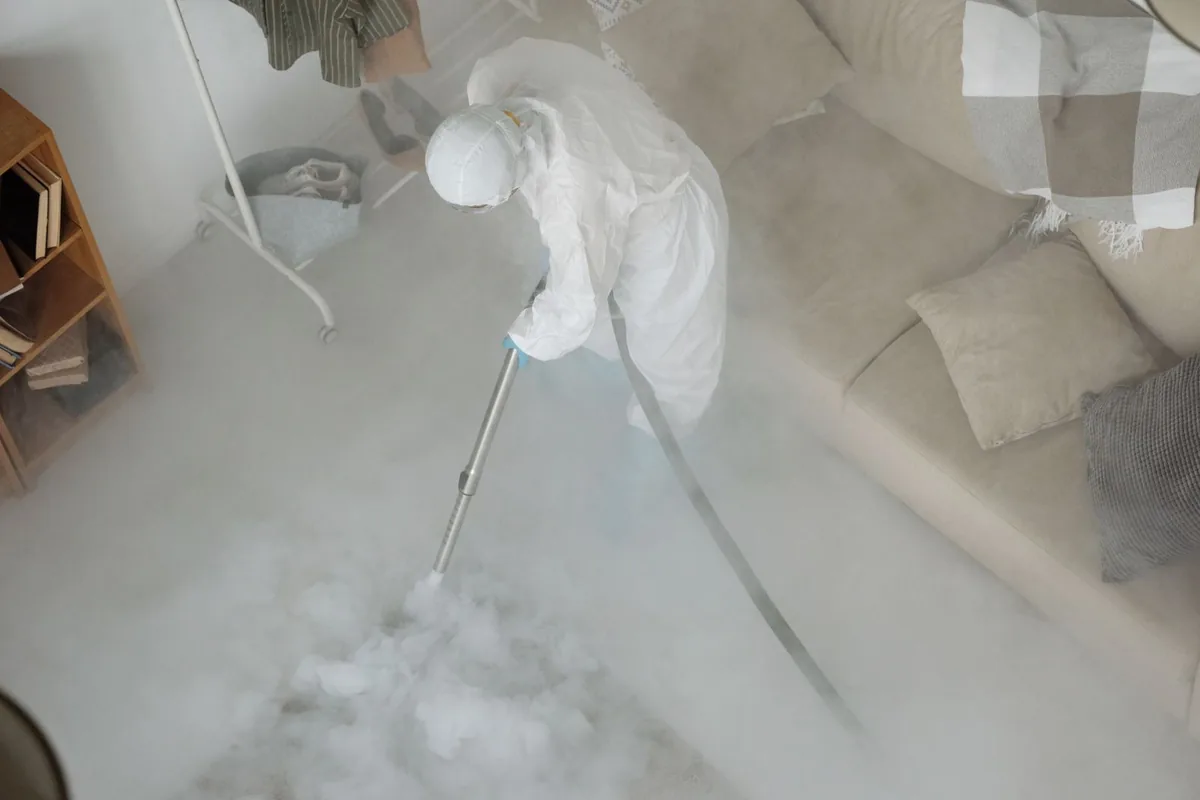
Bio cleanup covers more than crime scenes. It includes unattended deaths, suicides, accidents, hoarder houses, sewage backups and disease outbreaks. Whatever the cause, you can call Littletown Biohazard Cleanup Help in Littletown for houses, apartments, offices and vehicles.
Teams do the heavy lifting: removing carpet, padding and drywall that cannot be cleaned, bagging regulated waste, disinfecting hard surfaces and treating odor at the source. The service area runs from Littletown to Wilmot, Tucson and Tucson.
The census figure for older adults living alone in Tucson is 37%, above the Arizona average. When someone lives alone, a death can go unnoticed for days, and unattended death cleanup follows. Renters live in about 48% of homes in Tucson, so landlords and property managers often need to get cleanup done and sort out who pays with tenants and insurers.
Blood and bodily fluids can carry bloodborne pathogens, even after they dry. That is why biohazard cleaners follow OSHA's Bloodborne Pathogens Standard, 29 CFR 1910.1030, and put on gloves, respirators, boot covers and disposable suits before they enter the affected area.
Real decontamination reaches what the eye cannot see. Fluids travel under flooring and into baseboards, so crews check beneath and behind surfaces, remove affected materials and disinfect the exposed area before odor treatment begins.
Each of these biohazard cleaning services is open around the clock in Littletown, Tucson, AZ. Tap a card to read more, or call (877) 812-4220 to talk it through with a cleanup specialist.
Biohazard cleaning for homes, rentals, businesses and vehicles, with discreet crews and 24/7 emergency response.
Learn more →Cleanup after violent crimes, break-ins and assaults, using protective gear and EPA-registered disinfectants.
Learn more →Trauma cleaners remove blood, bodily fluids and odor after injuries, violent events and sudden emergencies.
Learn more →Decomposition cleanup that treats the room, the air and the odor at its source.
Learn more →Respectful biohazard cleanup that removes affected materials and treats odor so families do not have to.
Learn more →Respectful homicide cleaning that removes blood, bodily fluids and odor after investigators release the scene.
Learn more →Blood removal, disinfection and waste disposal for floors, carpet, walls and furniture after an injury or accident.
Learn more →Bodily fluid clean up with protective gear, EPA-registered disinfectants and sealed disposal of contaminated materials.
Learn more →Human feces and urine cleanup in homes, rentals and workplaces, with disinfection and odor treatment.
Learn more →Odor control for landlords, buyers and families whose property still smells after a loss.
Learn more →Hoarding cleanup done at the resident's pace, with valuables and papers kept safe.
Learn more →Trash, donation and recycling hauled out of crowded homes, followed by a thorough clean.
Learn more →Animal hoarding clean up that restores a home for repairs, a sale or a new tenant.
Learn more →Filth cleanup for kitchens, bathrooms and living areas, with odor treated at its source.
Learn more →Sewer backup cleaning for toilets, drains, basements and crawl spaces in homes and businesses.
Learn more →COVID-19 cleanup and coronavirus disinfection of high-touch surfaces, bedrooms, bathrooms and shared rooms.
Learn more →Detailed decontamination after blood, sewage, animal waste or infectious illness, using EPA-registered disinfectants.
Learn more →Medical waste removal: sharps, soaked dressings and clinical waste packed, sealed and hauled away.
Learn more →Needle and sharps cleanup: syringes found, collected with tools and disposed of in sealed containers.
Learn more →Cleanup after police release: items, residue and soiled materials handled without judgment.
Learn more →Testing, removal, cleaning and retesting for properties where meth was made or heavily used.
Learn more →Fentanyl decontamination: powder and residue contained, collected and cleaned from homes, vehicles and workplaces.
Learn more →Spills, leaks and abandoned chemicals contained, removed and hauled away by crews in protective gear.
Learn more →Fuel, solvent and chemical spill cleanup for homes, farms, shops and fleet yards.
Learn more →Pepper spray cleanup that lifts oily residue from surfaces without spreading it to clean rooms.
Learn more →Hantavirus-aware cleanup for cabins, sheds, barns and homes with HEPA-filtered equipment and disinfection.
Learn more →Pigeon and bird droppings cleanup on ledges, balconies, warehouses and storefronts.
Learn more →Carcass cleanup of fluids and soaked insulation, carpet and drywall that cannot be saved.
Learn more →Rideshare, rental and fleet vehicle decontamination handled quietly and returned ready to use.
Learn more →Accident scene cleanup for homes, stores, offices and vehicles, handled quietly with protective gear.
Learn more →Commercial cleaning crews disinfect offices, shops, plants and rentals after injuries, deaths and backups.
Learn more →Estate cleanup that empties, cleans and hands back a home ready for its next step.
Learn more →A cleanup specialist asks what happened, who is safe and whether police or an investigator have released the scene. The answers decide how the job is planned.
Doors are closed off, air handling is controlled and the work zone is marked. Family members, pets and neighbors stay clear.
Hazardous materials are removed, and every surface is cleaned and disinfected with EPA-registered products. Items that must go are packed as regulated waste.
Odor is neutralized, biohazardous waste leaves under medical waste rules, and a final inspection confirms the property is safe to use again.
Contaminated items are sealed, labeled and kept out of household trash, and the waste leaves under medical waste rules.
One biohazard cleanup company covers removal, disinfection, odor removal and damaged materials, so the family can step back.
OSHA bloodborne pathogen protocols, full PPE, EPA-registered disinfectants and lawful biohazard waste disposal on every job.
Blood, decomposition, sewage, sharps, hoarding, drug residue and infectious disease all fall under one call, with the right method for each.
Biohazard cleanup in Littletown, Tucson, AZ typically costs $500 to $25,000, depending on the type of biohazard, the size of the affected area and how far fluids soaked into porous materials.
Most residential jobs cost $3,000 to $5,000 (Fixr). The main price drivers are the area affected, the number of porous materials removed, the amount of odor treatment needed and the cost of regulated waste disposal. A small spill sits at one end and a hoarder house or unattended death at the other.
| Type of job | Typical range |
|---|---|
| Blood spill cleanup, small area | $500 - $2,500 |
| Crime scene cleanup, most homes | $1,500 - $7,500 |
| Unattended death cleanup | $2,000 - $7,000 |
| Suicide cleanup | $1,500 - $5,500 |
| Sewage cleanup, most homes | $2,000 - $10,000 |
| Hoarding cleanup, level 3 home | $2,000 - $5,000 |
| Meth lab cleanup, typical | $15,000 - $20,000 |
Estimates only, not a quote. Sources: Fixr, Yelp Costs, BioCleaners Directory, PushLeads, Dropcurb, Bob Vila and cleanup company cost guides. Call (877) 812-4220 to talk through the job.
About 37% is the census figure for older adults living alone in Tucson. When a person dies alone, days may pass before anyone knows, and unattended death cleanup follows.
Homes, churches and businesses may need infectious disease disinfection, needle and sharps cleanup, or meth lab and fentanyl decontamination after a property is released.
Cars, trucks and work vehicles can carry biohazards after an accident, assault or medical event. Vehicle cleanup removes contaminated upholstery and disinfects every surface and vent.
Failing septic systems and sewer backups push raw sewage, a Category 3 biohazard, into homes. Sewage cleanup removes contaminated materials and disinfects every surface.
Families should never have to clean up after a suicide. Discreet suicide cleanup removes all traces with care and respect. Crisis support is available any time at 988.
Falls, power tool injuries, farm and industrial accidents and car crashes can leave blood and tissue behind. Accident scene cleanup removes the trace so the space can be used again.
The word biohazard covers blood, tissue, decomposition, sharps, waste and some residues. Each carries different health risks, and each calls for its own cleaning and disposal approach.
Regular cleaning removes dirt. Biohazard cleanup removes infectious material and reaches under and behind surfaces, using PPE, containment, EPA-registered disinfectants and regulated waste disposal. It follows safety rules that ordinary cleaning does not.
Only what cannot be made safe. Porous items such as carpet, padding, mattresses and upholstered furniture that soaked up fluids are usually removed. Hard surfaces and many belongings can be cleaned and disinfected instead.
Yes. Raw sewage is treated as Category 3 water because it can carry bacteria such as E. coli, viruses and parasites. Porous materials it touches usually must be removed, and the rest is cleaned and disinfected.
Most biohazard clean up jobs take one to three days. A small blood spill can be finished in a few hours, while an unattended death with decomposition, a hoarder house or a meth lab can take a week or longer.
Respirators, gloves, face protection, boot covers and disposable suits make up the usual personal protective equipment (PPE). It is put on before entering the work area and disposed of as contaminated waste afterwards.
It means discreet removal of blood, bodily fluids and affected materials, followed by full disinfection and odor treatment, so the family never has to face the scene. If you or someone you know is thinking about suicide, call or text 988 to reach the 988 Suicide and Crisis Lifeline.
They can. About 52% of homes in Tucson were built before 1980, and older carpet, subfloor and trim absorb fluids deeply. The crew inspects each home to see how far the contamination went.
It can. Pima County has a Very High river flood risk rating from FEMA. Wherever floodwater or a sewer backup enters a home, the water is treated as Category 3 and needs full cleaning and disinfection.
Nearby towns such as Wilmot and Tucson are part of the Littletown service area. Property owners in Pima County can call (877) 812-4220 for biohazard removal at any hour.
Crews work in unmarked vehicles, so the job stays private.
Call (877) 812-4220